Less Is the New Luxury: How Skinimalism Took Over American Bathroom Shelves
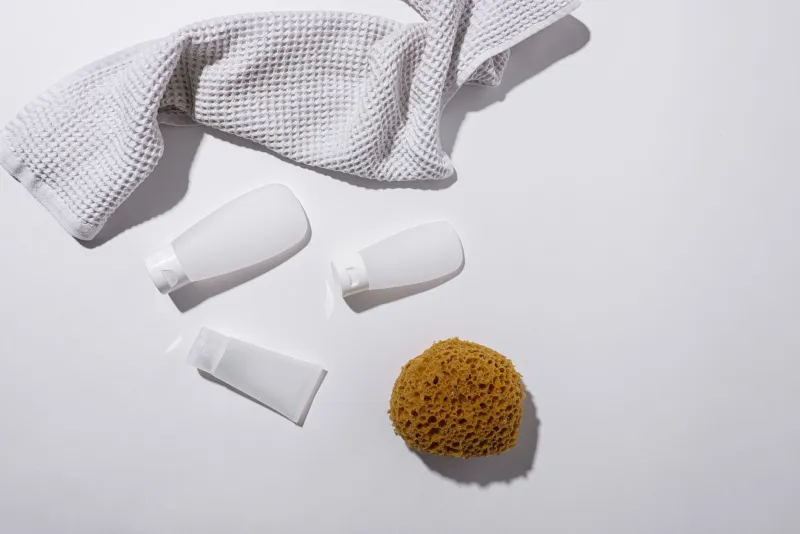
Walk down the skincare aisle at any Target from Portland to Providence and you'll notice something has shifted. The towering shelfies of 2019 — twelve serums, five mists, a shelf dedicated entirely to sheet masks — have given way to something quieter. A cleanser. A moisturizer. Maybe a sunscreen with a short, legible ingredient list.
The trend has a name: skinimalism. And according to market analysts, it's not a passing phase. American consumers are actively downsizing their routines, and they're reading labels like never before.
Why the 10-Step Routine Lost Its Shine
The pandemic had a lot to do with it. Stuck at home, many of us had time to experiment — and discovered that piling on actives left our skin barrier angrier, not glowier. Dermatologists weren't surprised.
"I saw a wave of patients coming in with irritation they'd caused themselves," says one common refrain among board-certified derms on social media. "Fifteen percent of their routine was doing the work. The other eighty-five percent was triggering sensitivity."
There's a financial angle, too. With inflation squeezing household budgets, a $68 essence that promises what your $12 moisturizer already delivers starts to look less like self-care and more like a math problem.
Reading an INCI List Without a Chemistry Degree
Every product sold in the US lists ingredients in descending order of concentration, down to those under 1%, which can appear in any order. That's the INCI list — International Nomenclature of Cosmetic Ingredients — and it tells you more than any marketing claim on the front of the box.
A few practical tips:
- The first five ingredients matter most. They make up the bulk of the formula. If a buzzy botanical appears after the preservative, it's there in trace amounts.
- Shorter lists are easier on reactive skin. Fewer ingredients mean fewer potential triggers and simpler troubleshooting when something goes wrong.
- Watch for fragrance and essential oils if your skin runs sensitive. They're common culprits behind unexplained redness.
- Don't fear ingredients you can't pronounce. Sodium hyaluronate and tocopherol are just hyaluronic acid and vitamin E wearing lab coats.
Building a 3-to-5 Product Routine That Delivers
The beauty of a pared-back routine is that every product earns its spot. A solid minimalist lineup looks like this:
- A gentle cleanser — low-pH, non-stripping, morning and night.
- One targeted treatment — a vitamin C in the morning or a retinol at night, not both at once.
- A barrier-supporting moisturizer — look for ceramides, squalane, or glycerin.
- Broad-spectrum SPF 30+ — non-negotiable, every single morning, rain or shine.
That's it. Four products. If you want a fifth, a hydrating toner or an exfoliating acid used once or twice a week slots in nicely.
The Clean Beauty Connection
Minimalism and clean beauty are natural partners. Brands formulating with shorter ingredient lists tend to be more transparent about sourcing, sustainability, and what they deliberately leave out. For shoppers who care about both their skin and their environmental footprint, a six-ingredient moisturizer in recyclable packaging checks a lot of boxes.
The shift isn't about doing less for your skin — it's about doing less for the algorithm and more for your actual face. American consumers seem to have figured that out. Their bathroom counters, and their skin barriers, are better for it.
